Black Market Betting Surge: UK's Crackdown on Illegal Sites Falters as Offshore Operators Thrive

The Flutter Report Drops a Bombshell
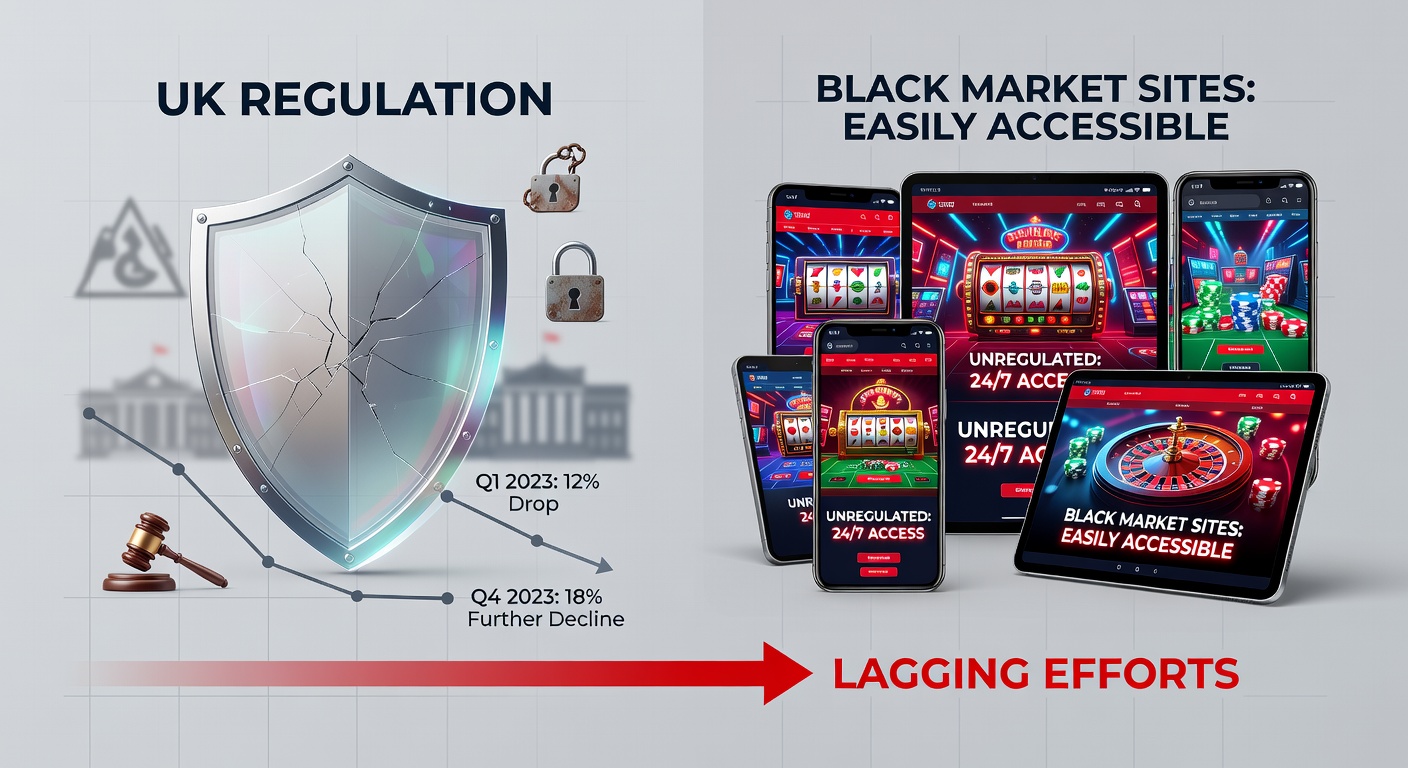
A recent report from Flutter UK & Ireland lays bare the harsh reality of unregulated gambling in the UK, where black market sites proliferate unchecked while enforcement efforts lag far behind; tests conducted ahead of the Cheltenham Festival in March 2026 revealed offshore operators snapping up fake registrations with alarming ease, using names of prominent racing figures or even whimsical addresses like Buckingham Palace, all while sidestepping basic safeguards that licensed platforms enforce rigorously.
What's interesting here is how these illegal outfits exploit regulatory gaps, drawing in punters who might otherwise stick to legitimate channels; data from the report highlights that such sites now command about 9% of the overall UK gambling market, a sharp climb from previous years, driven by slick social media promotions and seamless payment methods that blend right into everyday digital habits.
And as April 2026 rolls around, with the echoes of Cheltenham still fresh, observers note the persistent accessibility of these platforms, underscoring a vulnerability that shows no signs of fading quickly.
Tests Expose Lax Verification Practices
Researchers at Flutter UK & Ireland put offshore sites through rigorous trials just before the high-stakes Cheltenham Festival, submitting bogus sign-ups that sailed through without a hitch; one test used the name of a well-known racing personality paired with "Buckingham Palace" as the address, yet the operator approved it instantly, offering instant access to bets and bonuses that regulated competitors can't match due to strict compliance rules.
But here's the thing: these weren't isolated slips; multiple attempts across various black market domains confirmed a pattern of minimal checks, allowing underage or self-excluded individuals to slip in effortlessly, while licensed UK operators deploy advanced age verification and ID protocols mandated by law.
Figures reveal that such laxity fuels a shadow economy, where punters chase higher odds and unrestricted play, often unaware of the risks like data breaches or unpaid winnings that plague these unregulated corners.
Market Share Climbs Amid Digital Infiltration
The report's data paints a stark picture, with illegal operators carving out 9% of the UK gambling pie, up significantly from prior benchmarks; social media ads, disguised as harmless tips or memes, funnel traffic straight to these sites, while common payment apps like digital wallets and crypto options make deposits frictionless, eroding the barriers that once protected regulated revenue streams.
Turns out, this growth isn't just anecdotal; researchers tracked a surge tied to major events like Cheltenham, where punters seek every edge, and offshore sites deliver with odds that licensed books can't touch without violating fairness standards.
One case highlighted in the findings involved a site promoting Cheltenham specials via Instagram reels, pulling in UK users despite geo-blocks that enforcement agencies struggle to maintain consistently.
Revenue Hits and Enforcement Hurdles
Legitimate operators feel the pinch hard, as black market gains siphon off crucial tax revenue that funds everything from problem gambling support to sports sponsorships; teh Flutter analysis estimates millions lost annually, with the trend accelerating because illegal sites dodge taxes, player protections, and contribution levies that keep the industry sustainable.
Enforcement faces steep challenges too, from jurisdictional tangles with offshore hosts in places like Curacao or Malta to the sheer volume of pop-up domains that sprout and vanish overnight; while agencies block thousands of IPs yearly, savvy operators reroute through VPNs or mirrors, keeping pace with crackdowns that always seem one step behind.
That's where international parallels come in; for instance, the European Gaming and Betting Association documents similar explosions across the continent, where unregulated sites hit 15-20% market shares in some nations, offering lessons on tech-driven monitoring that UK efforts might adopt more swiftly.
Social Media and Payments: The Perfect Storm
Social platforms amplify the threat exponentially, with targeted ads slipping past basic filters to reach racing fans hyped for Cheltenham; influencers or anonymous accounts drop links disguised as "exclusive tips," leading straight to unlicensed action where bets on favorites like Constitution Hill or State Man flow without oversight.
Common payments grease the wheels further, as e-wallets and buy-now-pay-later schemes process transactions invisibly, bypassing bank flags that regulated firms trigger routinely; data indicates this combo has doubled black market penetration since 2023, turning casual punters into regulars on sites that promise no-limits play.
Yet experts who've studied these flows point out a silver lining in collaborative takedowns, like those coordinated with platforms such as Meta or Google, though coverage remains spotty and reactive rather than proactive.
Broader Industry Echoes and Global Context
Across the pond, similar battles rage; the American Gaming Association reports offshore sportsbooks eroding legal markets post-PASPA repeal, with tactics mirroring UK's woes, from fake IDs to crypto anonymity, highlighting a worldwide enforcement puzzle that demands cross-border tech sharing.
In the UK context, the Flutter report urges ramped-up resources for domain seizures and payment disruptions, noting how events like the upcoming April 2026 Grand National amplify vulnerabilities; punters flock online during peaks, and black market sites capitalize with tailored promos that licensed rivals match only within bounds.
People who've tracked these patterns often discover that consumer education plays a role too, as awareness campaigns flag red flags like unreal odds or instant big bonuses, steering traffic back to safer harbors.
Looking Ahead: Cheltenham's Shadow and Beyond
With the March 2026 Cheltenham Festival now in the rearview and April bringing the traditional spring racing surge, the report's warnings resonate louder; offshore operators, emboldened by past successes, likely gear up for Aintree and Punchestown, testing enforcement mettle once more with fresh domains and promo blitzes.
Observers note incremental wins, like faster IP blocks post-report publicity, but the 9% foothold suggests deeper reforms loom, from AI-driven ad scans to unified EU-UK payment scrutiny; until then, the black market's grip tightens, threatening the delicate balance that keeps UK gambling vibrant yet responsible.
It's noteworthy that Flutter's own platforms, like Paddy Power and Betfair, exemplify robust safeguards, processing millions in safe wagers while calling out rivals who cut corners for quick gains.
Conclusion
The Flutter UK & Ireland report stands as a clarion call amid a black market boom that's reshaping UK gambling's underbelly, with 9% market capture via dodgy verifications, social savvy, and payment ease painting a precarious picture; as enforcement plays catch-up and major festivals like Cheltenham 2026 test resolve, data underscores the urgency for smarter tools and collaborations that protect punters, revenue, and the industry's integrity long-term.
So while challenges persist into April 2026 and beyond, the writing's on the wall: sustained action turns the tide, ensuring regulated betting remains the go-to for those chasing thrills without the shadows.