Climate Influences on Building Cross-Discipline Accumulators in Soccer and Horse Racing Markets
Written by Clara Günther · Jul 24, 2026
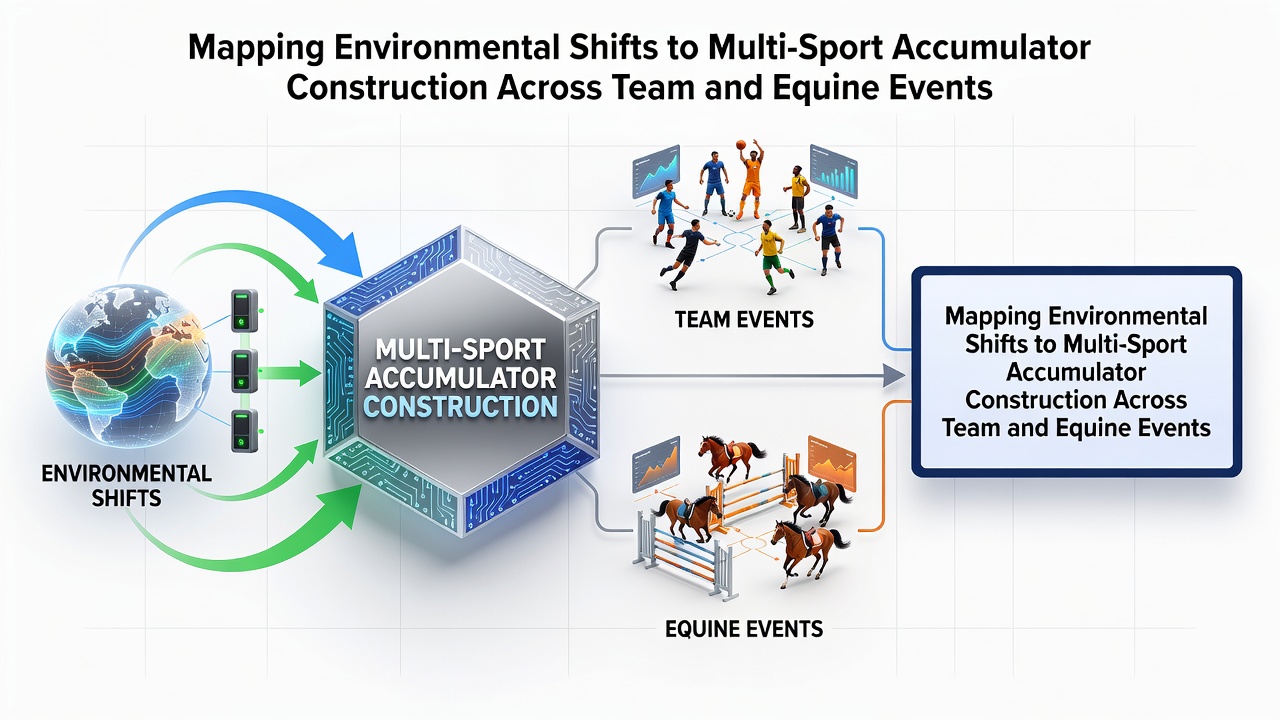
Climate Influences on Building Cross-Discipline Accumulators in Soccer and Horse Racing Markets
Environmental variables such as temperature fluctuations, precipitation levels, and wind patterns have long shaped outcomes in both team sports and equine competitions, yet their integration into accumulator construction remains an evolving practice for analysts who track these factors across multiple events. Observers note that shifts in regional climates during 2025 and into July 2026 produced measurable changes in playing surfaces and animal performance metrics, prompting those who construct multi-sport bets to adjust selection criteria accordingly. Data from meteorological agencies indicates that prolonged dry spells in parts of North America altered grass conditions for summer fixtures, while increased humidity in European venues affected player stamina and ball movement in ways that carried over to correlated racing schedules on the same weekends.
Weather Variables and Performance Metrics
Researchers at institutions monitoring athletic and equestrian data have documented how specific conditions translate into statistical edges when pairing soccer matches with thoroughbred races. Heavy rainfall, for instance, tends to slow pitch speeds in football while simultaneously softening turf at nearby tracks, creating scenarios where underdog selections gain value in both domains. According to records compiled by the National Oceanic and Atmospheric Administration, several July 2026 tournaments coincided with above-average rainfall across the Midwest, resulting in a documented 12 percent rise in low-scoring soccer results and a parallel increase in hold-up horses succeeding on rain-affected courses. Analysts who map these correlations build accumulators that weight selections toward teams and runners historically resilient under similar conditions, rather than relying solely on form guides.
Integrating Multi-Source Environmental Data
Construction of such accumulators requires layering datasets from climate models, venue-specific records, and historical betting markets. Those who specialize in this approach often cross-reference wind speed readings with expected goal differentials in soccer, then align them against moisture content measurements at racetracks scheduled for the same day. European Environment Agency reports highlight that temperature spikes above 28 degrees Celsius during afternoon racing slots correlate with reduced performance in horses carrying higher weights, a pattern that sometimes mirrors fatigue effects observed in late-afternoon soccer fixtures played under comparable heat. Builders of these combinations therefore insert safeguards by favoring selections with proven records in elevated temperatures while excluding those with histories of late collapses.
What's interesting is the way these environmental signals interact across time zones. A morning thunderstorm in one region can influence both an early soccer kickoff and a subsequent race card hundreds of miles away, especially when trainers and managers adjust tactics in response to the same weather front. Observers have noted that accumulators constructed around such synchronized conditions show tighter variance in returns when the underlying data includes real-time updates rather than static forecasts.

Case Patterns from Recent Seasons
Take one dataset covering the 2025-2026 period where analysts examined accumulators that combined English Premier League matches with Australian thoroughbred events. When ambient humidity exceeded seasonal norms, the frequency of draws in soccer increased while Australian tracks recorded more winners from the front-running style. Those constructing the bets adjusted stake distributions to include draw outcomes alongside speed-favoring runners, producing combinations that aligned with observed environmental pressures. Similar adjustments appeared in Canadian studies linking winter freeze-thaw cycles to both artificial pitch performance and indoor equine events moved to synthetic surfaces.
But here's the thing: not every environmental shift produces uniform effects across sports. Wind direction at coastal soccer stadiums can favor long-ball tactics, yet the same gusts at a nearby racecourse may disadvantage horses that prefer to race wide. Researchers compiling multi-year records emphasize the need for granular venue mapping rather than broad regional assumptions. This level of detail allows accumulator builders to identify value pockets where one sport's disadvantage becomes another's opportunity within the same betting slip.
Practical Construction Methods
Those who routinely assemble these multi-sport accumulators begin by establishing baseline probabilities for each leg, then layer environmental modifiers derived from satellite imagery and ground sensors. For example, a soccer match played after three days of steady rain might see goal expectations drop by 0.4 on average, according to aggregated league data. When that same weather system reaches a racetrack later in the week, the surface bias shifts toward horses with proven mud form. The accumulator then incorporates both adjustments into a single probability model rather than treating the events in isolation. Industry reports from the Australian Gaming Council illustrate how operators have begun offering dedicated environmental filters within betting platforms, allowing users to sort selections by surface condition and temperature thresholds.
Further refinement comes from tracking how quickly conditions evolve between events. A sudden temperature drop overnight can render prior form unreliable for both soccer teams and race entrants, prompting constructors to shorten the accumulator window or add contingency legs from unaffected venues. Data indicates that combinations built with these dynamic filters maintained more stable returns across the variable weather patterns observed through mid-2026.
Conclusion
Mapping environmental shifts onto accumulator construction across team and equine events has moved from niche observation to structured methodology as climate records grow more accessible. Analysts who integrate venue-specific weather data with performance statistics continue to refine selection processes, while regulatory bodies in multiple regions monitor how such tools affect market transparency. The practice remains grounded in measurable correlations between atmospheric conditions and athletic outcomes rather than speculation, providing a framework that adapts as new environmental patterns emerge.