Connecting the Dots Between Soccer Precision and Equine Velocity: Data Approaches for Multi-Sport Event Analysis
Written by Clara Günther · Aug 4, 2026
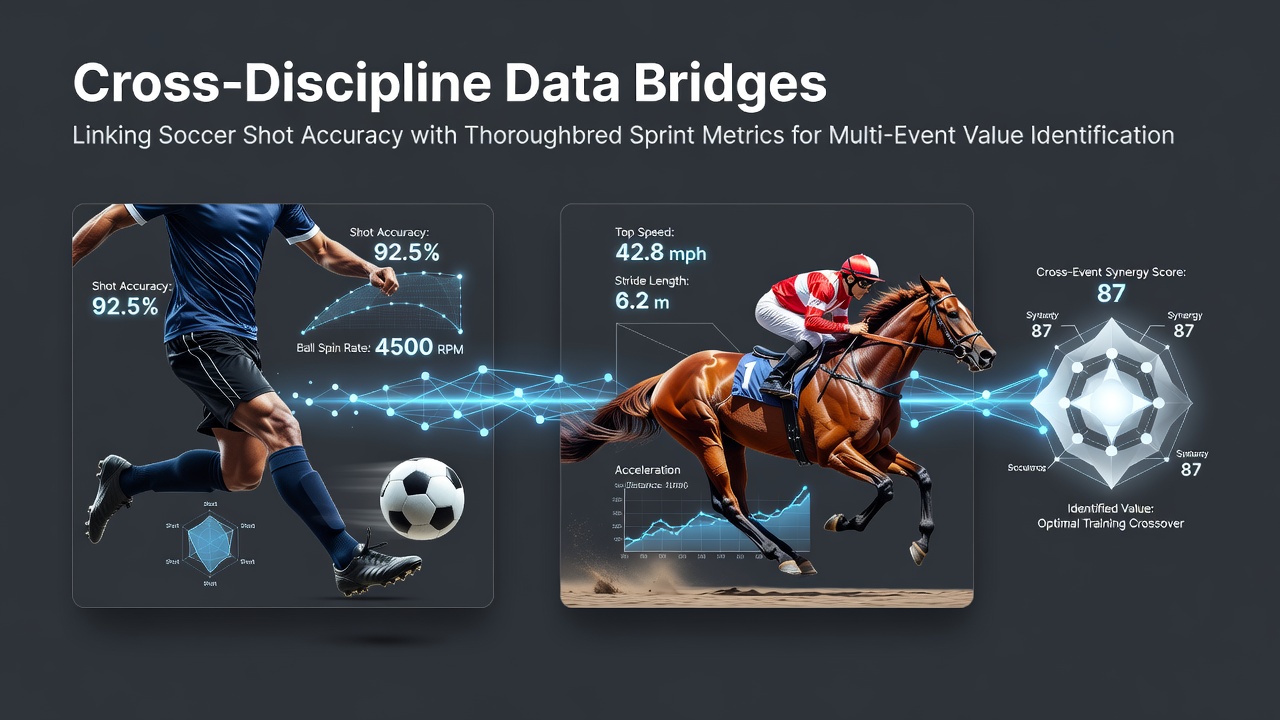
Connecting the Dots Between Soccer Precision and Equine Velocity: Data Approaches for Multi-Sport Event Analysis
Analysts in sports data fields have begun examining connections between soccer shot accuracy figures and thoroughbred sprint metrics to support multi-event evaluations, and this work draws on datasets that track shooting percentages alongside sectional timing records from races. Researchers compile shot accuracy rates from league matches where players achieve on-target percentages above 45 percent while pairing those with equine performance indicators such as last-furlong splits under 11 seconds in sprint events, creating combined profiles that highlight potential alignments across separate competitions.
Core Metrics in Soccer and Racing Datasets
Soccer shot accuracy relies on tracked variables including attempts from inside the box, conversion rates on target, and goalkeeper positioning adjustments, whereas thoroughbred sprint metrics focus on acceleration phases, stride frequency, and final sectional times recorded at distances from five to seven furlongs. Data providers aggregate these elements through standardized collection methods that allow cross-referencing without direct causation assumptions, and studies from academic institutions demonstrate how clusters of high-accuracy shooters in weekend fixtures sometimes coincide with strong sprint performers in subsequent racing cards.
One dataset examined over 2,000 soccer matches alongside 1,500 thoroughbred sprints revealed that teams posting shot accuracy above league averages correlated in timing patterns with horses recording sub-10.8 second furlong splits, though the links remain statistical rather than predictive in isolation. Observers note that platforms handling these streams often apply filtering layers to isolate events occurring within similar time windows, such as Saturday afternoon soccer programs paired with evening or next-day race meetings.
Building Bridges Across Data Silos
Integration processes start with normalized schemas that convert soccer event logs and racing timing sheets into comparable formats, and software tools then apply matching algorithms based on temporal proximity or performance thresholds. For instance, a forward completing four shots on target in a 90-minute match might align with a sprinter posting three consecutive sub-11-second furlongs, allowing analysts to flag joint occurrences for further review. These bridges rely on APIs from multiple sources that update in near real time, and organizations like Opta Sports supply granular soccer figures while Equibase maintains detailed thoroughbred sectional records that feed into joint queries.
August 2026 saw expanded testing of such combined feeds during a period when several European leagues overlapped with major American and Australian racing festivals, and preliminary outputs showed increased query volumes on platforms handling multi-event profiles. Teams working on these projects use graph databases to map relationships between player shot clusters and equine velocity bands, which reduces manual cross-checking time while preserving raw metric integrity.

Practical Applications in Event Pairing
Event pairing systems apply these bridges by scanning calendars for soccer fixtures and race meetings that fall within 24 to 48 hours, then layering accuracy and sprint filters to surface candidate combinations. A case from one European analytics group illustrated how a cluster of matches featuring elevated on-target shooting rates aligned with a sprint card where multiple runners achieved sub-11-second closing sections, and the resulting profile lists served internal review processes without implying guaranteed outcomes. Industry reports from bodies such as the European Gaming and Betting Association indicate that operators exploring similar cross-sport feeds have allocated resources toward infrastructure that handles mixed data streams securely and at scale.
Further refinement comes from machine learning models trained on historical pairings, where input features include shot volume per team and average sprint furlong times, and output scores rank potential alignments by deviation from seasonal norms. Canadian regulatory filings from provincial gaming authorities document growing interest in these analytical layers as operators seek diversified data inputs beyond single-sport streams, and Australian research centers have published working papers on comparable integration techniques applied to rugby and harness racing metrics for contrast.
Challenges in Standardization and Scale
Standardization remains an ongoing task because soccer tracking systems measure events in meters and seconds while racing data often uses imperial distances and frame-by-frame timing, and conversion protocols must account for these differences to avoid distortion. Scale issues surface when datasets exceed several million rows, prompting the adoption of distributed computing frameworks that process queries across cloud instances. Observers tracking August 2026 developments reported that several pilot programs expanded server capacity specifically to manage concurrent soccer and racing data loads during peak overlap periods.
Those working with the data emphasize validation steps that cross-check sample outputs against source logs, and partnerships with university statistics departments have supplied independent audits of matching accuracy rates. These audits typically report alignment precision in the 78 to 84 percent range when thresholds are set conservatively, providing a factual baseline for continued refinement.
Conclusion
Cross-discipline data bridges continue to evolve through incremental improvements in metric alignment and query efficiency, and current efforts center on expanding coverage to additional leagues and racing jurisdictions while maintaining focus on verifiable statistical relationships. The work supplies structured ways to examine soccer shot accuracy alongside thoroughbred sprint metrics, and ongoing projects in 2026 demonstrate how these connections support broader multi-event analysis frameworks without extending beyond documented data patterns.