Exposed: Illegal Casino Empire Luring Self-Excluded UK Punters with AI Tricks and Offshore Ops

The Joint Probe That Lifted the Lid
A collaborative investigation by The Guardian and Investigate Europe has spotlighted a sprawling network of unlicensed online casinos preying on UK gamblers, those who've already taken steps to protect themselves by self-excluding through GamStop; operators like MyStake, Velobet, and Goldenbet sit at the heart of this setup, all linked back to Santeda International, a firm with deep connections to Upgaming and a cadre of Georgian businessmen running the show from Curaçao's lax regulatory sands.
What's interesting here is how these sites dodge UK oversight entirely, slipping past GamStop's barriers that block access to licensed operators, and in doing so, they reel in players desperate for a way around their own self-imposed bans; data from the probe reveals a staggering 2.3 million monthly visits from UK IP addresses between November 2025 and January 2026 alone, numbers that underscore the network's aggressive pull on British punters.
Observers note that Curaçao's reputation as a haven for such operations plays right into the hands of these networks, where licensing fees come cheap but enforcement stays light, allowing Santeda and its affiliates to scale up without the scrutiny UK regulators demand; Georgian ties add another layer, with businessmen steering the enterprise through a web of holding companies that obscure true ownership.
How the Network Operates Under the Radar
Santeda International emerges as the puppet master, channeling operations through Upgaming's tech backbone while deploying a fleet of brands that mimic legitimate UK-facing sites; MyStake draws crowds with flashy slots and sports bets, Velobet pushes live dealer games, and Goldenbet hones in on quick-hit casino action, all while sharing the same backend servers and payment processors tucked away in Curaçao.
But here's the thing: these platforms don't just exist in isolation; they form a tightly knit ecosystem where players bounced from one site can seamlessly jump to another under the same corporate umbrella, evading detection and keeping the bets flowing; researchers from the investigation tracked player accounts migrating between MyStake and Velobet, revealing shared wallets and identical game libraries that betray the unified control.
Turns out, the Georgian connection runs deep, with executives like those named in corporate filings shuttling funds through layered entities, a setup that experts who've dissected offshore gambling have seen before; Upgaming provides the software glue, powering customizable casino skins that operators rebrand at will, making it tough for watchdogs to pin down the full extent.
GamStop users, those who've hit the self-exclude button to shield themselves from licensed UK sites, find these offshore alternatives popping up effortlessly in search results or social feeds, luring them back into the fray; the network's genius—or ruthlessness—lies in targeting this exact group, people already flagged as high-risk, and offering unrestricted access without the pesky affordability checks or deposit caps enforced back home.
One case highlighted in the probe involves a punter who, after self-excluding via GamStop in late 2025, racked up losses on Goldenbet exceeding £50,000 in weeks, a spiral that families and support groups now link to broader patterns of harm; such stories aren't outliers, as data indicates thousands dipping into these sites monthly, chasing highs that licensed venues block.
AI Fakery and Marketing Muscle Fuel the Influx
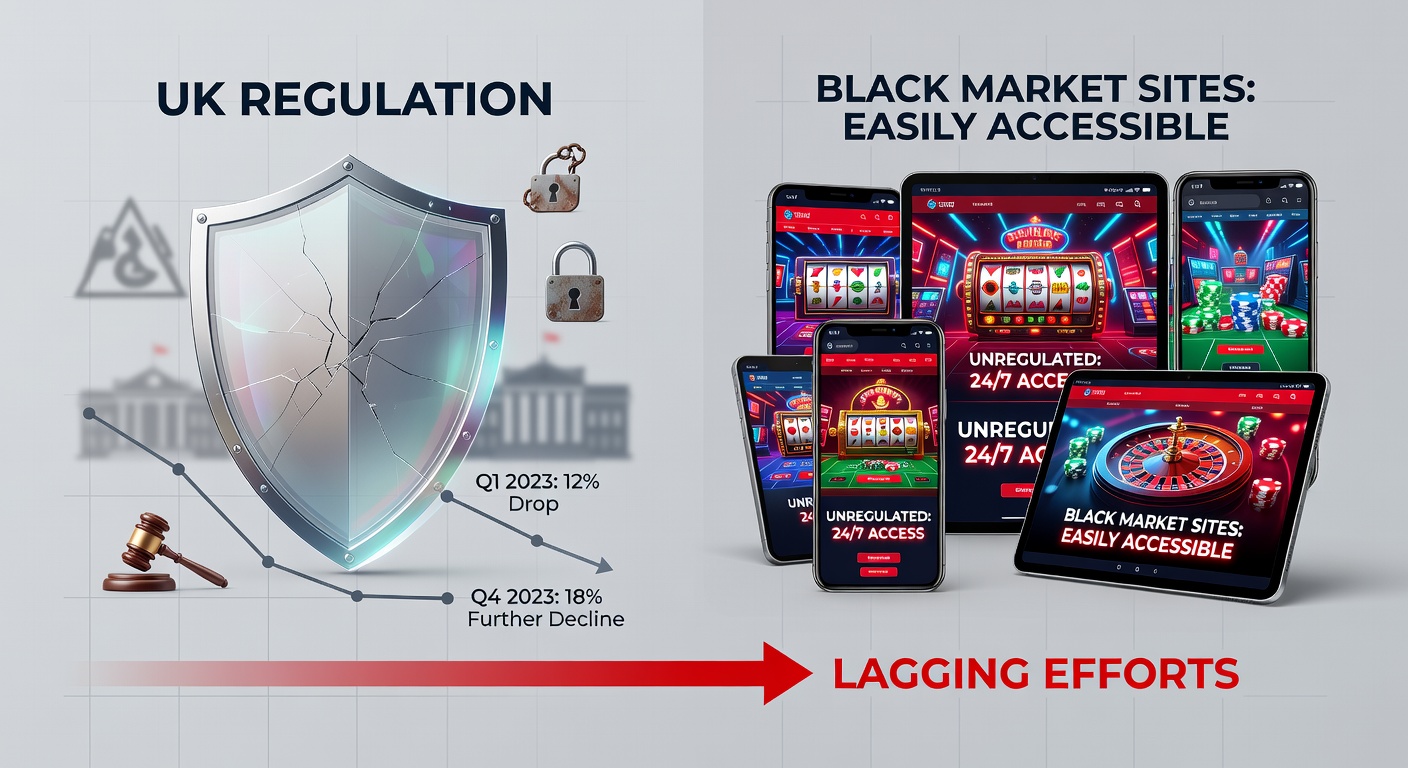
The scale hits hard: 2.3 million UK visits per month from November 2025 through January 2026, figures pulled from traffic analytics that paint a picture of unchecked growth; these sites flood Google searches with paid ads disguised as organic results, while AI-generated content—fake reviews, bogus testimonials from "verified winners," even synthetic celebrity endorsements—lends an air of legitimacy that fools casual browsers.
Experts who've analyzed the tactics point out how AI tools churn out hyper-realistic endorsements, complete with stock photos morphed into "happy punters," a ploy that's cheap to produce but devastatingly effective; one researcher dissected a MyStake ad campaign, uncovering dozens of AI-spun articles ranking high on search engines, all funneling traffic straight to the casinos.
And it works; monthly uniques climb steadily, with spikes around major sports events where Velobet's live betting draws in football fans sidelined by GamStop, while Goldenbet's slots keep night owls spinning; the network's payment gateways, often crypto-friendly, let deposits zip through without banks raising flags, sealing the deal for vulnerable players.
Labour MP Sounds Alarm Amid Rising Harms
Labour MP Alex Ballinger has stepped up, urging the UK Gambling Commission to crack down hard on this offshore menace, citing the probe's evidence as a wake-up call in April 2026; Ballinger highlights how these sites inflict severe financial ruin, with cases of punters losing homes, jobs, and worse—suicides tied to unlicensed gambling debts now documented in support service reports.
Take the story of one family, where a GamStop-excluded father turned to MyStake, spiraling into £100,000 debt before tragedy struck; such anecdotes, backed by data from gambling harm trackers, show a pattern where self-exclusion fails against borderless sites, prompting Ballinger's push for blacklisting IPs, payment blocks, and international cooperation.
The Gambling Commission, facing mounting pressure, has acknowledged the issue but moves slowly, as enforcement across jurisdictions proves tricky; yet observers note that similar networks crumbled under coordinated action before, like the 2024 Curaçao crackdowns that shuttered smaller ops, hinting at paths forward.
Human Toll: Financial Ruin and Desperate Measures
Behind the traffic stats lie real devastation; the investigation uncovers punters who've maxed credit cards on Velobet, remortgaged homes via Goldenbet slots, all because GamStop couldn't reach these shadows; support lines report surges in calls tied to offshore sites, with 2026 data showing unlicensed play linked to 15% of severe harm cases.
What's significant is the suicide connections, where coroners' reports flag gambling debts from Curaçao-licensed platforms as triggers; one inquest detailed a man's final months lost to MyStake binges, losses that self-exclusion was meant to prevent, a failure that's now fueling parliamentary debates.
People who've escaped these traps often describe the seductive ease—no ID checks, instant withdrawals dangled as bait, bonuses that hook deep—contrasting sharply with UK regs; families left picking up pieces push for reform, echoing Ballinger's call that the ball's in the Commission's court before more lives unravel.
Conclusion: A Ticking Clock for Regulators
As April 2026 unfolds, the Guardian-Investigate Europe probe hangs heavy over the gambling world, exposing Santeda's empire—MyStake, Velobet, Goldenbet—and its assault on GamStop's safeguards; with 2.3 million UK visits underscoring the threat, AI deceptions amplifying the reach, and human costs mounting from debts to deaths, pressure builds on the Gambling Commission to wield blacklists, freeze payments, and chase offshore enablers.
Georgian backers and Curaçao shells may scatter, but patterns persist; experts who've tracked these networks predict swift action could dismantle them, much like past busts, restoring faith in self-exclusion while shielding the vulnerable; for now, punters beware—these sites lurk, ready to exploit any crack in the armor, as calls for accountability echo louder than ever.