Intersecting Schedules: Fixture Congestions and Track Surface Dynamics in Multi-Tiered Wager Designs
Written by Harper Long · Aug 16, 2026
Intersecting Schedules: Fixture Congestions and Track Surface Dynamics in Multi-Tiered Wager Designs
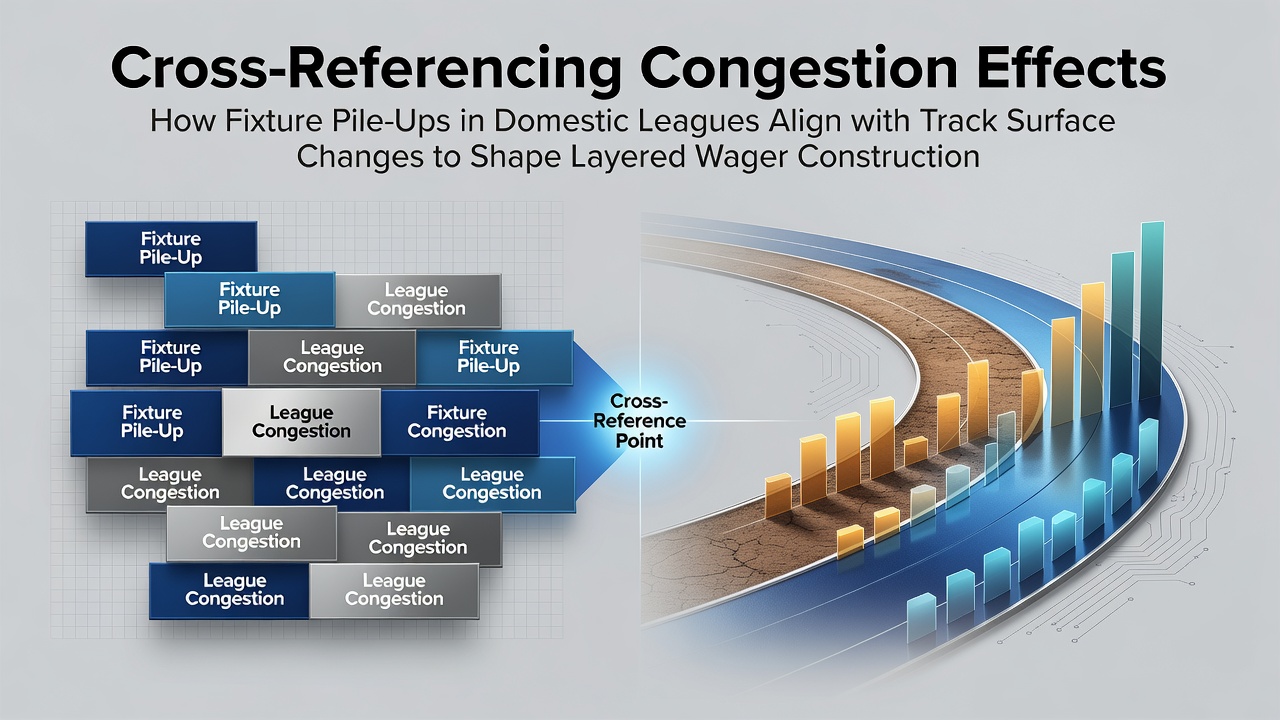
Domestic soccer leagues often experience fixture pile-ups during the early weeks of the season, while horse racing tracks undergo surface transitions from firm summer ground to softer autumn conditions, and analysts track these patterns to inform layered wager constructions that combine multiple bet types. Data from scheduling records shows that August 2026 will feature compressed calendars in several European leagues, with midweek cup ties aligning alongside weekend rounds, creating periods where team rotations and fatigue indicators become measurable factors in performance projections.
Researchers have documented how consecutive matches within short timeframes correlate with shifts in key metrics such as distance covered and pass completion rates, while parallel changes on racing circuits see turf moisture levels rising and affecting stride patterns in thoroughbreds. Observers note that these dual timelines provide data points for constructing wagers that layer soccer accumulators with racing selections, where each component draws from distinct statistical sets yet shares a common window of fixture and surface pressure.
League Calendars and Congestion Patterns
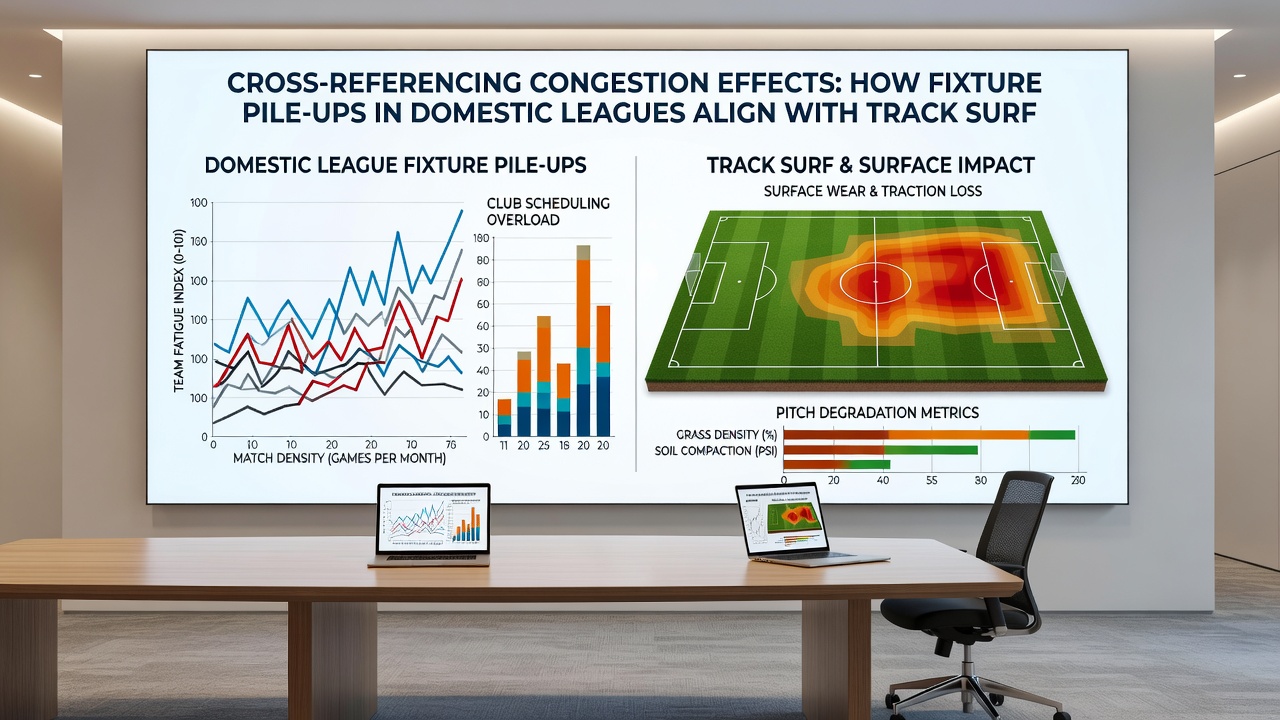
August fixtures typically cluster because of international breaks followed by domestic restarts, and records from league organizers indicate that clubs in top divisions face up to four matches in fourteen days during this window. Studies on player workload reveal elevated injury rates when recovery intervals drop below seventy-two hours, and performance databases show corresponding dips in expected goals scored for teams navigating such sequences. Those examining historical data find that congestion effects become most pronounced in the second and third matches of a cluster, where squad depth and travel distance add measurable variables.
Layered wager approaches incorporate these patterns by weighting accumulators toward sides with superior bench options or favorable home surfaces, while cross-referencing the same dates against racing meetings where track surfaces are also shifting. This alignment allows bet constructors to adjust stake distributions across parallel events rather than isolating each sport in separate calculations.
Track Surface Transitions and Performance Data
Racing authorities publish ground condition reports that document transitions from good-to-firm to good-to-soft ratings as rainfall increases through late summer, and biomechanical studies link these changes to altered finishing times and positioning statistics. Horses with proven records on softer ground demonstrate higher win percentages during these periods, whereas speed-oriented runners show reduced strike rates once surfaces lose firmness. Analysts compile these figures alongside soccer fixture lists because the same calendar weeks often coincide with major racing festivals, creating opportunities to bundle selections that reflect both sets of environmental pressures.
Industry reports from bodies such as the Australian Transaction Reports and Analysis Centre highlight how bettors in regulated markets monitor surface announcements closely, and similar attention applies to league scheduling releases from governing organizations across different regions. The convergence of these data streams supports wager layers that include both outright results and handicap adjustments calibrated to expected fatigue or ground bias.
Constructing Layered Wagers Across Aligned Events
Bet constructors begin by mapping fixture congestion clusters onto racing calendars, then identify overlapping dates where soccer performance variance and track condition shifts both reach measurable thresholds. Statistical models integrate team rotation data with horse form ratings adjusted for surface, producing combined probabilities that feed into multi-leg bets. Evidence from performance archives shows that when congestion and surface changes peak simultaneously, variance in outcomes widens, prompting some layered structures to include smaller stakes on higher-odds combinations while anchoring larger portions on more stable selections.
European football federations and North American racing commissions release schedules months in advance, allowing systematic cross-referencing well before August 2026 arrives. Those compiling such datasets often note that early-season league congestion tends to stabilize after the initial three-week period, while track surfaces continue evolving with weather patterns, so wager layers require ongoing adjustment rather than static construction.
Data Integration and Risk Calibration
Performance tracking platforms aggregate metrics from both sports into unified dashboards, and users apply filters for congested periods or declared ground conditions to generate scenario outputs. Research published through academic channels, including work coordinated by institutions such as the University of Queensland, examines correlations between workload spikes and outcome distributions, providing reference points that inform stake sizing within layered frameworks. These approaches treat each sport's variables as independent inputs that nevertheless share temporal alignment, enabling constructors to balance exposure across the combined portfolio.
Records indicate that surface declarations occur daily during racing seasons, while fixture congestion forecasts rely on published calendars and injury reports, so timely updates remain essential for maintaining accuracy in multi-component wagers. Observers continue to monitor how these intersecting timelines evolve through the 2026 campaign.
Conclusion
Cross-referencing fixture pile-ups with track surface transitions supplies a structured method for assembling layered wagers that draw from soccer and racing datasets simultaneously. Scheduling records, performance statistics, and ground condition reports together define the parameters within which such constructions operate, and August 2026 will present another instance of these patterns coinciding. Continued collection of aligned data supports ongoing refinement of the approach across regulated betting environments.