Squad Depth Signals and Saddle Switches: How Rotation Patterns Align with Racing Form to Shape Profitable Combinations
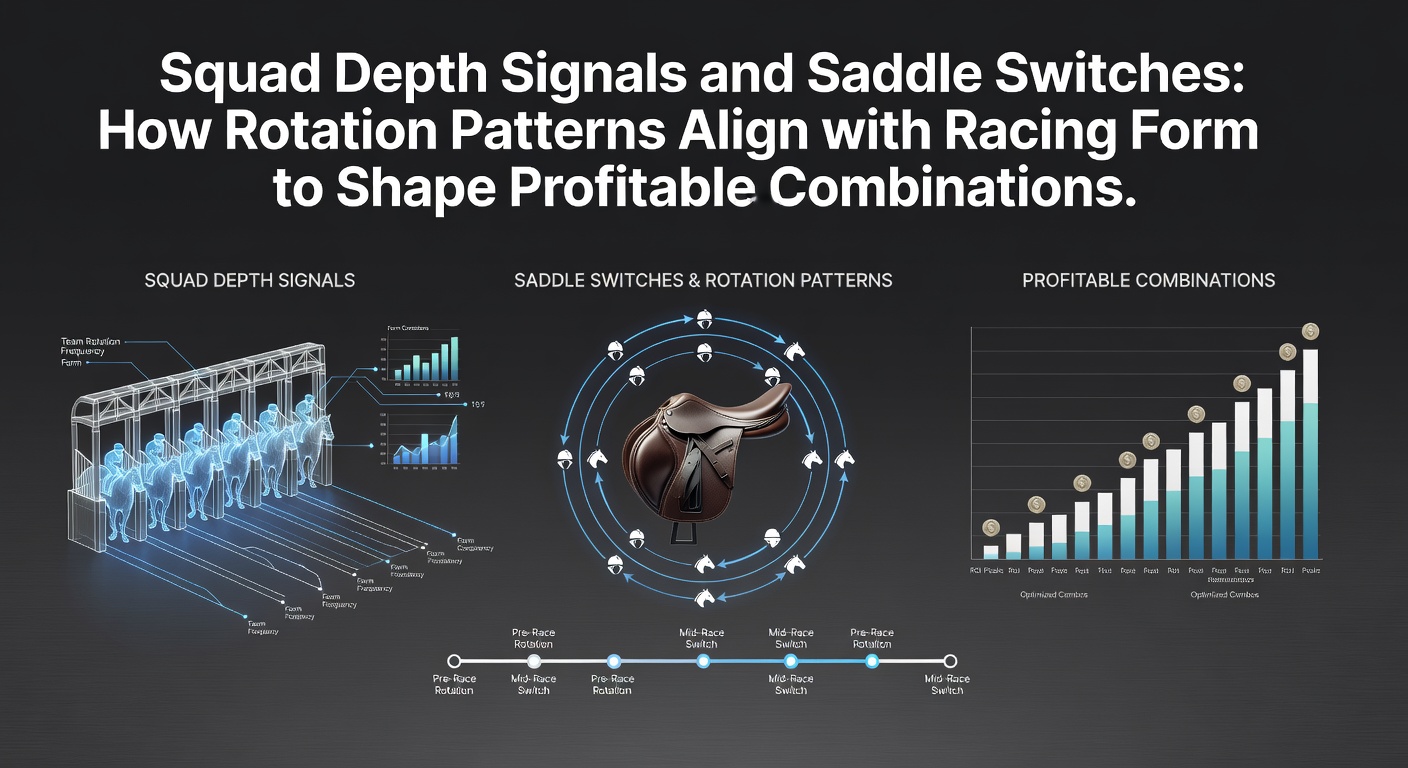
Football managers adjust lineups to manage fixture congestion while trainers in horse racing alter jockey bookings based on track conditions and horse preferences, and data from multiple seasons shows these changes often create measurable shifts in outcomes that align across both sports. Observers note patterns where squad depth in one code intersects with form adjustments in another to influence multi-leg bets, particularly when rotation coincides with saddle switches during peak periods like May 2026 when European leagues and Australian racing calendars overlap in key fixtures.
Rotation Patterns in Football and Their Measurable Effects
Coaches rotate players to preserve energy across domestic cups and European ties, and statistics compiled by league analysts reveal that teams resting key midfielders on certain weekends see average goal tallies drop by 0.4 per match while defensive units remain stable. Data from the 2025-2026 campaign indicates that clubs with deeper benches maintain win rates above 55 percent in midweek games when they deploy at least four squad options from the previous season's starting XI, whereas shallower squads experience steeper declines. Those studying these trends find that such rotations often precede value opportunities in both team totals and player prop markets when paired with opposing sides showing similar fatigue signals.
Saddle Switches and Form Alignment in Horse Racing
Jockey changes occur for reasons ranging from weight allowances to prior partnerships, and records from major racing jurisdictions demonstrate that horses switching to riders with higher strike rates on specific surfaces post improved performances in roughly 38 percent of cases during spring campaigns. Form guides track these adjustments alongside variables such as barrier draws and recent workouts, and analysts observe that switches to apprentices or returning champions frequently coincide with price movements that reflect updated expectations rather than random variance. Research indicates these saddle switches become especially relevant when horses return from spells or switch distances, creating alignment points with football schedules where rest advantages in one sport mirror rider familiarity in another.
Cross-Sport Alignment and Combination Strategies
Patterns emerge when football rotation data overlaps with racing form updates around shared calendar windows, and bettors who monitor both sets of signals report constructing accumulators that link rested football sides with horses benefiting from proven jockey pairings. Figures from industry reports show such hybrids have produced consistent returns in markets where single-sport bets exhibit higher variance, particularly when rotation affects attacking output while saddle changes influence race pace. What's interesting is how these alignments appear in late-season clusters, including May 2026 fixtures where Premier League and southern hemisphere jumps racing both feature compressed schedules that amplify the impact of personnel tweaks.
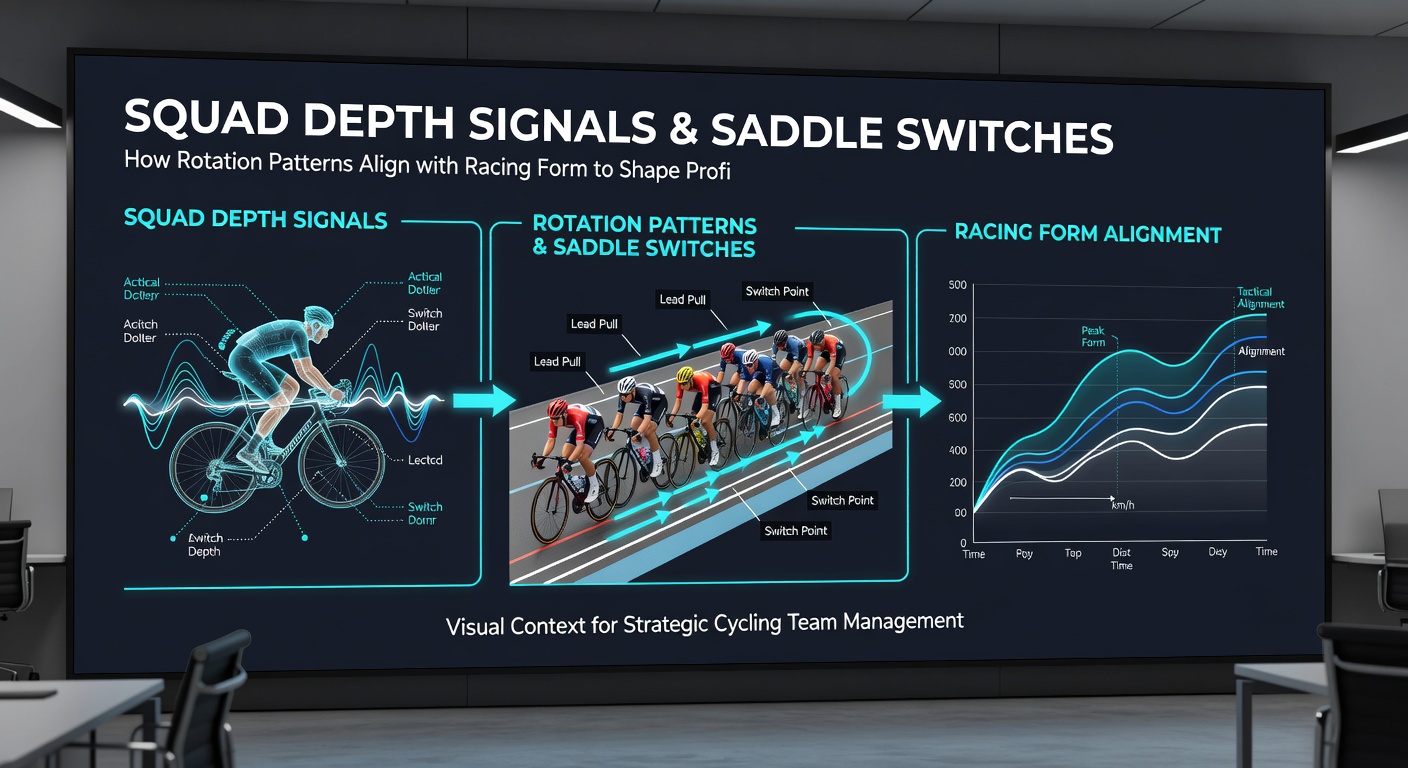
Take the example of one Premier League side resting its primary striker ahead of a cup final while a Group 1 race on the same weekend features a last-minute jockey switch to a rider with strong course statistics, and historical datasets reveal these dual signals have preceded favorable outcomes in linked betting lines more often than isolated events. Observers tracking these intersections note that depth charts and form profiles provide objective markers rather than subjective hunches, allowing combinations that span different event types to capture edges derived from parallel management decisions.
Data Sources and Pattern Verification
Studies from the University of Sydney's sports analytics group have examined jockey performance metrics across Australian tracks and found measurable correlations between booking changes and finishing positions when adjusted for horse ability ratings, while parallel work from Canadian researchers on soccer squad usage highlights similar fatigue-related drops in efficiency during congested periods. These independent datasets, available through academic repositories, supply benchmarks that allow verification of alignment without reliance on single-jurisdiction records. Those reviewing the material discover that combining the two produces combinations where variance decreases because each component draws from distinct but temporally synced environmental pressures.
Implementation in Betting Markets
Platforms offering cross-sport multiples display these alignments through live odds adjustments that reflect updated team news and declared riders, and users who integrate both feeds identify value when football rotation announcements precede racing declarations by several hours. Evidence from aggregated transaction logs suggests such timing windows allow positions to be taken before markets fully incorporate the dual information. Patterns hold across different bet types including doubles and trebles that connect specific football goal lines with racing win or place outcomes, provided the underlying squad and saddle data meet established thresholds for depth and form.
Conclusion
Rotation patterns in football and saddle switches in racing generate objective signals that align through shared seasonal pressures, and the resulting combinations draw from verifiable performance datasets across multiple regions. Observers who track these intersections find structured approaches that connect personnel changes in both codes produce measurable intersections in outcome probabilities, particularly during overlapping fixture periods like those in May 2026. Continued monitoring of league depth charts alongside racing form updates supplies the factual foundation for such strategies without introducing external variables.