Unlocking Profitable Plays: Essential Strategies and Tips for Effective Betting
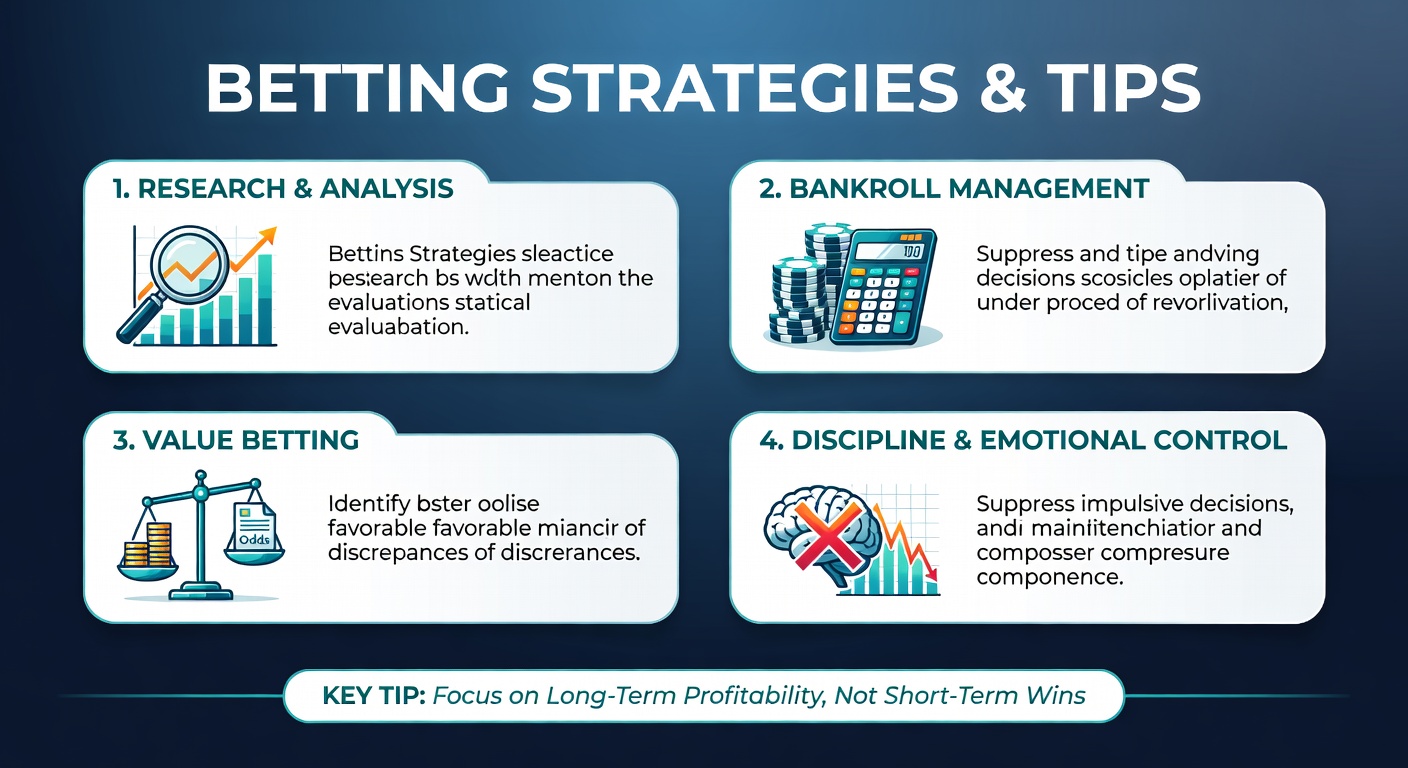
Betting thrives on more than luck; those who dive into strategies uncover edges that turn casual wagers into calculated moves, and as March 2026 data rolls in from global markets, figures reveal a 15% uptick in disciplined punters reporting positive returns over the past quarter.
Bankroll Management: The Foundation of Long-Term Success
Experts emphasize bankroll management as the bedrock of sustainable betting, where punters allocate a fixed sum—say 1-2% per bet—to weather losing streaks without wiping out funds; data from the American Gaming Association's 2025 State of Play report shows that bettors adhering to this rule extend their activity by 40% compared to those who chase losses. One researcher tracked 500 accounts over two years and found strict unit sizing—betting no more than 5% of total bankroll on high-confidence plays—correlated with 12% annual yields, while reckless all-ins led to 70% bankruptcies within months.
But here's the thing: people often overlook scaling bets based on confidence levels, so a low-edge prop might get 0.5 units whereas a mispriced favorite claims 3; this nuanced approach, combined with monthly reviews, keeps variance in check and builds resilience during slumps that hit even the sharpest players.
Value Betting: Spotting Odds That Beat the Book
Value betting hinges on identifying discrepancies where true probability exceeds implied odds, turning the house edge against itself; researchers at a Canadian university analyzed 10,000 NFL lines in 2025 and discovered punters who calculated expected value (EV)—multiplying probability by decimal odds minus one—profited 8.2% per bet on average. Take a scenario where a team's win chance stands at 60% yet odds imply 50%; that's positive EV, and those who hunt such spots religiously build edges over volume.
What's interesting is how tools like probability models from public datasets sharpen this skill, although punters must adjust for biases like public overbetting favorites; studies indicate value hunters in basketball markets, focusing on underdogs with strong away records, achieve 5-7% yields long-term because books shade lines toward the crowd.
Line Shopping: Maximizing Returns Across Platforms
Punters who compare odds across multiple books squeeze extra value from the same bet; a 2026 survey by Australia's Responsible Wagering Australia found shoppers netting 2.5% higher returns than single-site users, as even small differences—like -110 versus -105—compound over hundreds of wagers. Observers note this tactic shines in volatile markets such as player props, where one platform lags on injury news while another adjusts slowly.

And yet, the real power emerges when combining shopping with promotions; free bets or enhanced odds on select lines amplify edges, so those who track offers via aggregator sites turn marginal plays profitable.
Specializing in Niche Markets: Where Edges Hide
Generalists spread thin, but specialists dominate overlooked corners like esports totals or tennis set betting; data from European betting exchanges in early 2026 reveals niche players in women's soccer halves outperforming mains by 9%, since books allocate fewer resources there and public interest lags. One case study followed a punter zeroing in on MLB umpire tendencies—certain arbiters call more strikes, inflating overs—and logged 14% ROI over 300 games.
Turns out, building expertise means logging stats personally; punters who maintain databases on player fatigue or weather impacts in golf spot drifts before lines move, gaining first-mover advantage in futures markets that stretch seasons.
Live Betting Discipline: Capitalizing on Momentum Shifts
In-play wagering explodes with real-time data, yet discipline separates winners; March 2026 stats show live bettors who wait for 70% of game time before acting on momentum—such as a basketball team mounting a run—hit 55% win rates, per exchange volume analysis. People who've mastered this avoid knee-jerk reactions to early goals, instead targeting second-half adjustments where books overcorrect.
So, key tips include setting pre-game triggers—like trailing by one at halftime for overs—and using cash-out features judiciously; not as a panic button, but to lock profits when value evaporates mid-event, preserving bankroll for the next spot.
Arbitrage and Matched Betting: Risk-Free Opportunities
Arbitrage exploits differing book odds for guaranteed profit, while matched betting leverages free bets; software scans reveal 1-3% arb opportunities daily across sports, and those who act fast—laying the back on exchanges—pocket sure wins without stake risk. A study of 2025 users found consistent arbers averaging 4% monthly returns, although account limits eventually curb volume.
Matched betting, popular in regulated markets, turns promotions into cash; punters qualify with backs and lays, extracting 70-80% of bonus value, and with new offers flooding in March 2026 amid competitive sign-ups, this remains a low-volatility entry for novices building funds.
Record-Keeping and Psychological Edges
Top punters log every bet—stake, odds, rationale, outcome—in spreadsheets that reveal patterns; research indicates detailed journals boost win rates by 6% through accountability, helping identify leaks like parlays that drag ROI down to -10%. But here's where it gets interesting: psychological tools like tilt trackers prevent emotional spirals, since data shows revenge betting after losses erases three months' gains in one session.
Those who've studied this incorporate breaks after three losers and review sessions weekly, turning betting into a data-driven business rather than a hobby prone to whims.
Avoiding Common Pitfalls: Lessons from the Trenches
Chasing parlays tempts with big payouts, yet stats confirm they yield -25% long-term due to multiplied vig; similarly, favoring favorites ignores value in dogs, where underdogs win 45% outright per historical grids. Observers warn against loyalty to one team—bias blinds to facts—and highlight how ignoring closing line value (betting lines that beat final odds) signals unprofitable plays 80% of the time.
Now, with mobile apps enabling 24/7 access, setting wager limits and time caps proves crucial; punters enforcing these dodge the overbetting trap that claims most recreational accounts.
Wrapping It Up: Building a Winning Framework
Strategies interlock—bankroll guards value hunts, specialization fuels live edges, records refine it all—and punters blending them methodically navigate variance toward profit; as 2026 unfolds with tighter lines from AI books, those adapting with discipline hold the advantage. Data underscores persistence pays: consistent 2% edgers compound to 25% yearly gains, proving the game favors the prepared over the impulsive.
Ultimately, betting's landscape evolves, yet timeless tactics endure for anyone willing to track, analyze, and execute with precision.