Weather's Quiet Role in Reshaping Odds Across Pitches and Paddocks
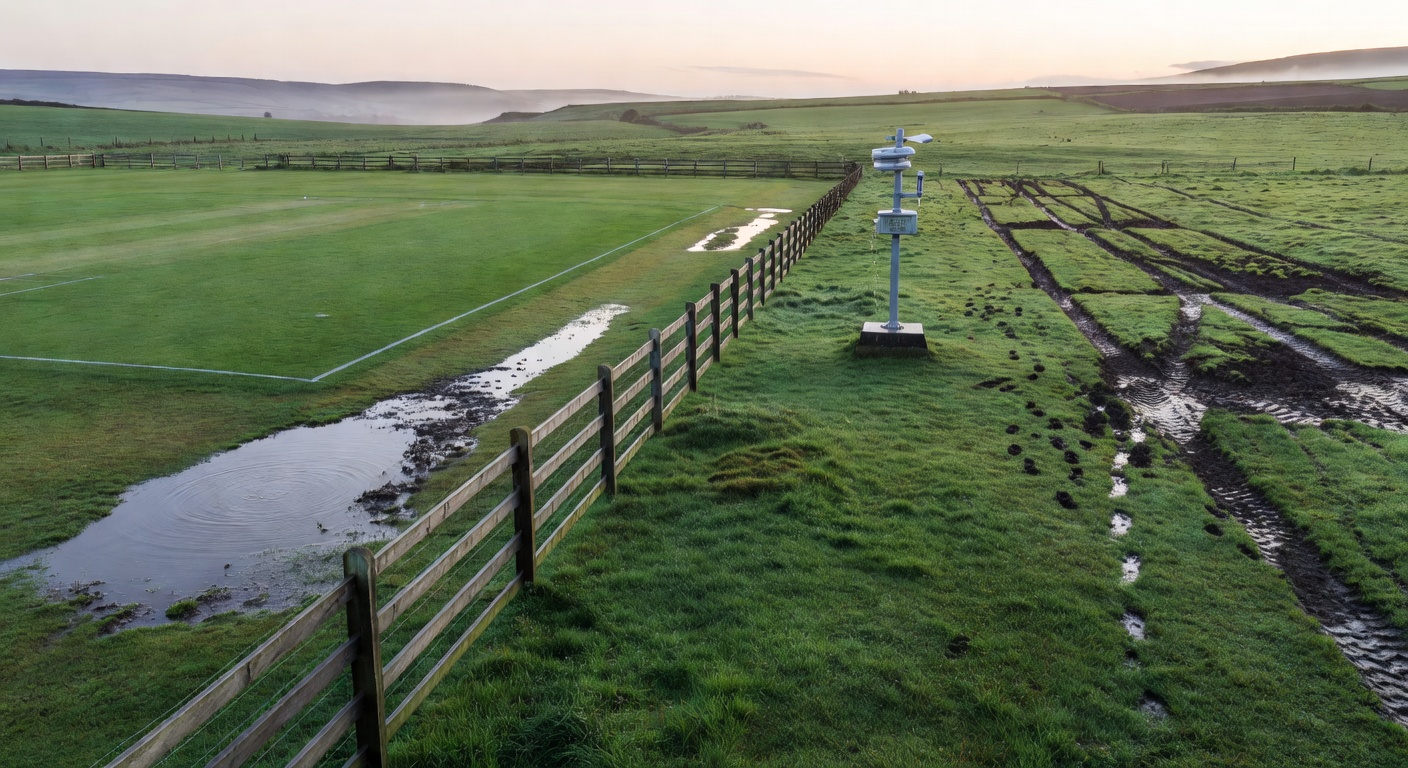
Weather patterns exert steady pressure on betting markets for soccer matches and horse races, altering field conditions that directly influence team tactics, horse performance and the odds offered by bookmakers. Data from meteorological services show that precipitation, temperature swings and wind speed modify surface grip, ball behavior and equine stamina in measurable ways, prompting odds adjustments that reflect updated probabilities rather than random fluctuations.
Precipitation Effects on Soccer Pitches
Rainfall changes pitch firmness within hours, shifting play from open passing games toward more physical, direct approaches that favor certain squads over others. Research from the National Oceanic and Atmospheric Administration indicates that matches played on saturated surfaces see a measurable rise in long balls and set-piece attempts, outcomes that alter goal expectancy models used by analysts. Bookmakers respond by lengthening odds on teams reliant on short passing while shortening those for sides with strong aerial presence, creating value windows for bettors who track weather forecasts closely.
Temperature drops below certain thresholds also slow grass growth and increase surface hardness, producing different friction levels that affect shot accuracy and player fatigue rates. Observers note that these micro-adjustments appear in pre-match odds movements as early as forty-eight hours before kickoff, especially during European leagues where schedules overlap with variable spring and autumn weather systems.
Ground Conditions in Horse Racing Paddocks
Track surfaces in thoroughbred and jumps racing respond even more sensitively to rainfall, with official going reports changing multiple times on racedays when showers arrive. Heavy ground slows times and favors horses with proven stamina records, while firm conditions reward speed-oriented runners that may have underperformed on softer surfaces earlier in the season. Form databases maintained by racing authorities reveal that trainers adjust declarations based on overnight rain forecasts, and these changes feed directly into morning odds revisions.
Wind speed adds another layer because gusts affect hurdle and fence negotiation, particularly on exposed tracks. Statistical reviews of past meetings show that certain stables post higher strike rates when conditions favor their preferred ground type, information that sharp bettors incorporate alongside official weather bulletins to identify mispriced runners.
Live Odds Adjustments During Events
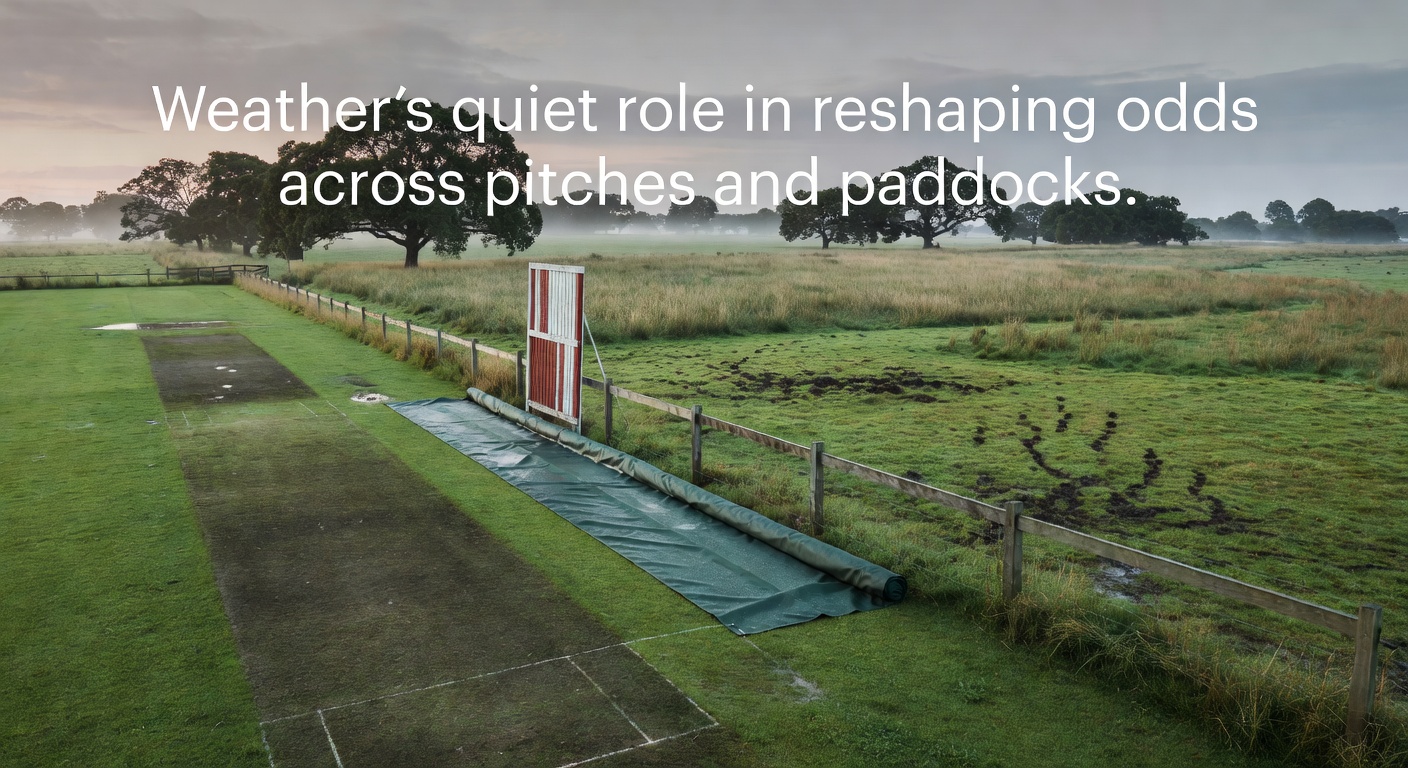
In-play betting markets react quickly once weather impacts become visible on the pitch or track. Soccer traders monitor sudden downpours that turn a controlled game into a lottery of deflections and long-range efforts, prompting rapid shortening of draw odds or over totals. Racing markets adjust similarly when rain intensifies mid-meeting, with non-runners and revised going descriptions triggering fresh price compilations that reflect altered probabilities for remaining contenders.
Analysts tracking these shifts across multiple fixtures in June 2026 noted consistent patterns during periods of unsettled Atlantic weather fronts crossing northern Europe, where afternoon showers coincided with noticeable liquidity spikes in live markets for both codes. The timing of these adjustments often aligns with official weather service updates rather than purely performance data, illustrating how environmental inputs receive equal weight in modern pricing algorithms.
Data Integration and Market Efficiency
Betting operators increasingly incorporate real-time weather feeds into their models alongside traditional statistics, producing tighter margins on events where surface conditions dominate outcomes. Studies published by academic institutions in Australia have quantified how humidity and wind vectors correlate with scoring rates in outdoor sports, findings that parallel observations from European racing form experts. This convergence allows bookmakers to recalibrate odds with greater precision, reducing the window for value before markets settle at new equilibrium levels.
Those monitoring satellite imagery and ground sensors gain an edge when forecasts diverge from earlier projections, because late changes in expected rainfall totals frequently precede final odds movements. Historical records demonstrate that such discrepancies occur most often during transitional seasons when jet stream positions create unpredictable local weather cells across both soccer venues and racing circuits.
Conclusion
Weather functions as a persistent but understated variable that reshapes probabilities on pitches and paddocks alike. Accurate integration of meteorological data with performance metrics enables markets to reflect true conditions, while participants who follow forecast revisions alongside form trends position themselves to identify shifts before they fully propagate through the odds. Continued advances in weather modeling and data transmission will likely tighten these connections further in coming seasons.